the-lean-startup-by-eric-ries
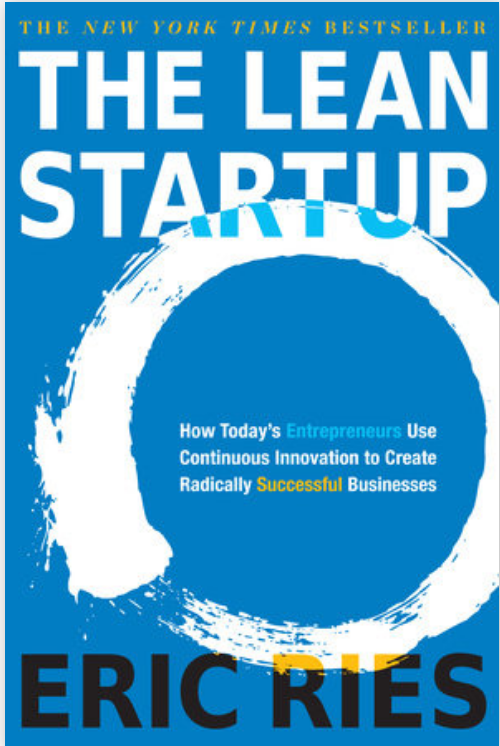
I picked up this book expecting another Silicon Valley hype fest. What I got instead was a surprisingly rigorous methodology that changed how I think about building anything — not just tech companies.
The Core Argument
Eric Ries argues that most startups fail not because they build bad products, but because they build the wrong products with too much certainty and too little feedback. The solution isn’t better planning — it’s faster learning. He proposes treating a startup like a scientific experiment: form a hypothesis, test it with the minimum viable product (MVP), measure what actually happens, and decide whether to persevere or pivot. Repeat until you find something that works.
The enemy isn’t failure. It’s wasted time building things nobody wants.
5 Key Ideas Worth Stealing
1. The MVP Is About Learning, Not Shipping
Ries defines the Minimum Viable Product as the version of your product that lets you collect the maximum amount of validated learning with the least effort. This is where most people misread him. An MVP isn’t a buggy half-finished product — it’s a deliberately scoped experiment.
His most striking example is Dropbox. Instead of spending years building the actual technology before knowing if anyone wanted it, founder Drew Houston made a three-minute demo video showing how Dropbox would work. Overnight, the beta waitlist jumped from 5,000 to 75,000 people. That video was the MVP. No code required. The learning was real.
2. Validated Learning vs. Vanity Metrics
Ries makes a distinction that genuinely stung me when I first read it: the difference between vanity metrics and actionable metrics. Vanity metrics are numbers that make you feel good but don’t inform decisions — total page views, registered users, press mentions. Actionable metrics connect directly to your business model and tell you whether your hypothesis is true or false.
His example: IMVU (his own company) was celebrating growing user numbers while ignoring that almost nobody was returning after the first session. The dashboard looked great. The business was quietly failing. You have to measure what matters, not what flatters.
3. The Build-Measure-Learn Loop
This is the engine of the whole book. Every product decision should start with a question — a leap-of-faith assumption — and then move as quickly as possible through building something to test it, measuring the result honestly, and learning whether to continue or change direction. The goal is to minimize the total time through this loop, not to perfect any single stage.
Most teams I’ve seen spend 80% of their time in the “build” phase and almost no time defining what they’re actually trying to learn. Ries flips that instinct completely.
4. The Pivot Is a Strategic Tool, Not a Failure
One of the book’s most useful reframes is around pivoting. In startup culture, pivoting often gets treated as an embarrassing admission of defeat. Ries treats it as evidence that you’re learning faster than your assumptions. He catalogues specific types of pivots — zoom-in pivots (narrowing focus to one feature), customer segment pivots (same product, different audience), platform pivots — giving you a vocabulary for strategic change rather than random flailing.
Instagram started as a location-sharing app called Burbn. Slack began as a gaming company called Glitch. These weren’t failures. They were validated pivots based on real user behavior.
5. Innovation Accounting
Perhaps the most underappreciated section of the book deals with how to measure progress in genuinely new ventures. Ries introduces “innovation accounting” — a framework for setting realistic milestones based on learning, not revenue projections. You establish a baseline of current behavior, tune the engine through experiments, and then make the pivot-or-persevere decision based on actual data.
This matters because traditional accounting makes startups look like failures for years before they can look like successes. Innovation accounting gives you something honest to present to yourself, your team, and your investors in the meantime.
The Quote That Stuck With Me
“The only way to win is to learn faster than anyone else.”
Simple. Brutal. True. It reorients everything — meetings, roadmaps, hiring decisions — around speed of learning rather than speed of shipping.
Who Should Read This
Read it if you’re: Building a product or business from scratch, managing a team that keeps shipping features nobody uses, or working inside a large company trying to launch something new. Product managers, founders, and anyone who has ever felt like they were working hard but moving in circles will find genuine tools here.
Skip it if you’re: Looking for operational advice on scaling an already-proven business, or if you’ve already absorbed the lean methodology through direct startup experience. Some readers also find Ries’s writing repetitive — he makes the same core points several times with different framing, which helps beginners but frustrates experienced practitioners who want the ideas without the scaffolding.
The Lean Startup is one of those rare business books where the framework actually outlasts the reading. Two years later, I still catch myself asking: what’s the assumption here, and what’s the cheapest way to test it? That alone was worth the read.